

Sleep Is Not a Luxury: Creating an Intentional Evening Routine That Restores You
Quality sleep is one of the most underestimated pillars of a meaningful life—especially in this season where freedom, flexibility, and choice are finally yours.
When sleep suffers, everything else feels harder. Focus fades. Energy drops. Emotions ride closer to the surface. And the ripple effect doesn’t stop with you—it touches your relationships, your health, and the people who rely on your presence and wisdom.
The good news? Better sleep doesn’t usually require drastic change. It requires intention.
Not more willpower. Not more rules. Just a thoughtful shift from what steals rest… to what restores it.
Let’s explore how to build an evening routine that supports deeper, more restorative sleep—by identifying what takes away from rest and what we can consciously replace it with.

Why Sleep Matters More Than We Think
Sleep isn’t passive. It’s active restoration.
During quality rest, your brain consolidates memories, your nervous system resets, and your body repairs itself. Good sleep supports:
- Clear thinking and decision-making
- Emotional resilience
- Stronger immunity
- Steady energy throughout the day
In retirement or semi-retirement, sleep can become irregular. Without work schedules anchoring us, evenings stretch longer, routines loosen, and stimulation creeps later into the night.
Freedom is wonderful—but structure still serves us.
What Takes Away From Sleep (and What to Replace It With)
1. Screens vs. Stillness
What disrupts sleep:
Phones, tablets, televisions, and laptops keep the brain alert. Blue light suppresses melatonin (the sleep hormone), while endless scrolling keeps the nervous system subtly “on guard.”
What to replace it with:
- No screens at least one hour before bed
- Consider making your bedroom a phone-free zone
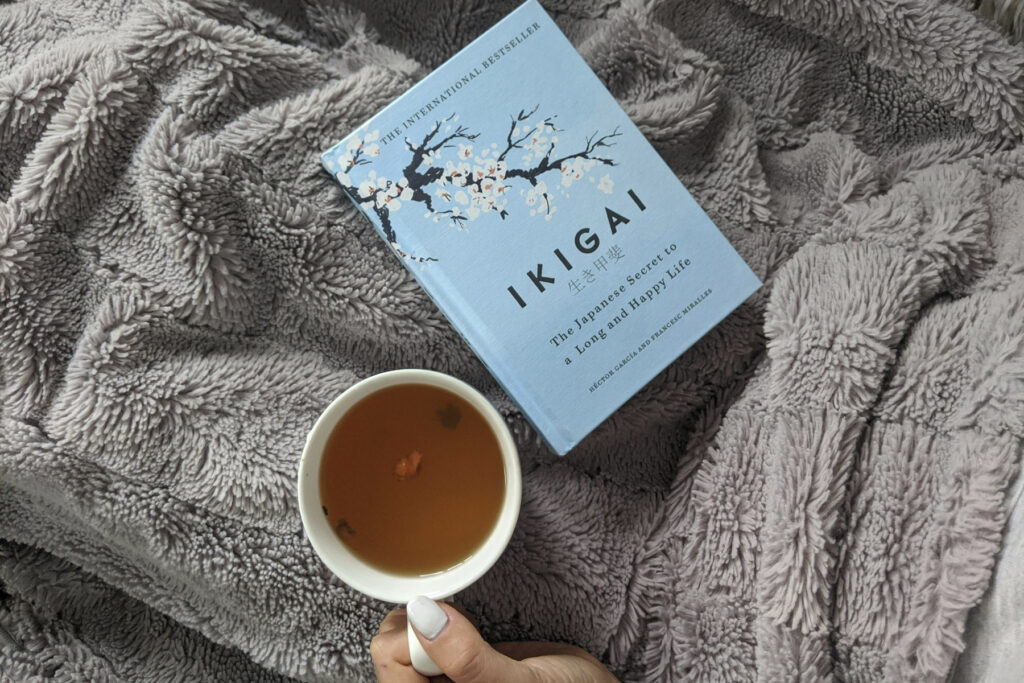
- Light reading from a physical book or Kindle (non-backlit)
This isn’t punishment—it’s permission. Permission to let your mind decelerate.
2. Negative News vs. Grounded Gratitude

What disrupts sleep:
Evening news, politics, and emotionally charged content keep the nervous system activated. When the brain perceives threat—real or perceived—it stays vigilant instead of restful.
What to replace it with:
- Limit news and political content in the evening
- A Simple Gratitude Journal
Try this nightly practice:
- Write down three things you’re grateful for from the day
- Write down three things you’re excited about for tomorrow
Gratitude gently shifts your focus from concern to contentment, from vigilance to safety—a powerful signal to your brain that it’s okay to rest.
3. Late Eating & Alcohol vs. Digestive Rest

What disrupts sleep:
Food and alcohol within 2–3 hours of bedtime keep your digestive system busy when it should be slowing down. Alcohol may feel relaxing initially, but it fragments sleep later in the night.
What to replace it with:
- Finish eating and drinking 2–3 hours before bed
- If you enjoy a ritual beverage, choose sleepy‑time tea or warm water with lemon earlier in the evening
Better sleep begins with respecting the body’s rhythms—not fighting them.
4. Mental Stimulation vs. Wind‑Down Rituals

What disrupts sleep:
Busy evenings filled with conversation-heavy TV, problem-solving, or mental multitasking keep the brain alert.
What to replace it with:
Create intentional wind‑down rituals such as:
- A warm bath or sauna
- Gentle stretching
- Meditation or breathwork
- Calm music in dim lighting
Rituals work because they create predictability. When repeated, your body learns: this is how we prepare for rest.
5. Disconnection vs. Comforting Touch

What disrupts sleep:
Physical disconnection can reinforce stress hormones—even if we don’t consciously feel tense.
What to replace it with:
- Connection through physical touch
- Partner hand-holding, hugs, or light massages
Physical touch releases oxytocin, the “bonding” hormone that naturally reduces cortisol (stress). Calm connection signals safety—and safety invites sleep.
The Role of Consistent Cues
Your body loves cues. When the same signals appear night after night, your nervous system responds automatically.
Consider choosing two or three consistent cues, such as:
- Sleepy‑time tea
- Soft lighting in the evening
- Calm instrumental music
- A device free bedroom
- Gratitude journal waiting on your pillow
- A familiar scent (lavender or cedar)
These cues become anchors—quiet reminders that the day is complete.
Give It Time: The 3–4 Week Rule
New routines don’t deliver instant results. Consider practising your chosen sleep routine consistently for 3–4 weeks before evaluating it.
Why?
- The nervous system adapts through repetition
- Habits become embodied, not just remembered
- Sleep improves gradually, not dramatically
Think of this as an experiment—not a test. Curiosity works better than pressure.
Designing Your Ideal Evening
There is no perfect routine—only the one that works for you.
Ask yourself:
- What truly relaxes me?
- What drains me in the evening without giving much back?
- What would it feel like to end my day feeling settled instead of stimulated?
Your evening routine becomes a quiet act of self-leadership—a way of honouring your energy, your body, and this chapter of life.
Sleep as an Act of Care
Good sleep isn’t indulgence. It’s healthy restoration.
When you sleep well, you show up clearer, steadier, and more emotionally available—for yourself and for those who benefit from your presence.
And perhaps most importantly, you remind yourself that rest is not something you earn after productivity.
It’s something you deserve—every single night.
What’s one small change you could begin tonight?
The best years ahead don’t start in the morning. They start the night before.