
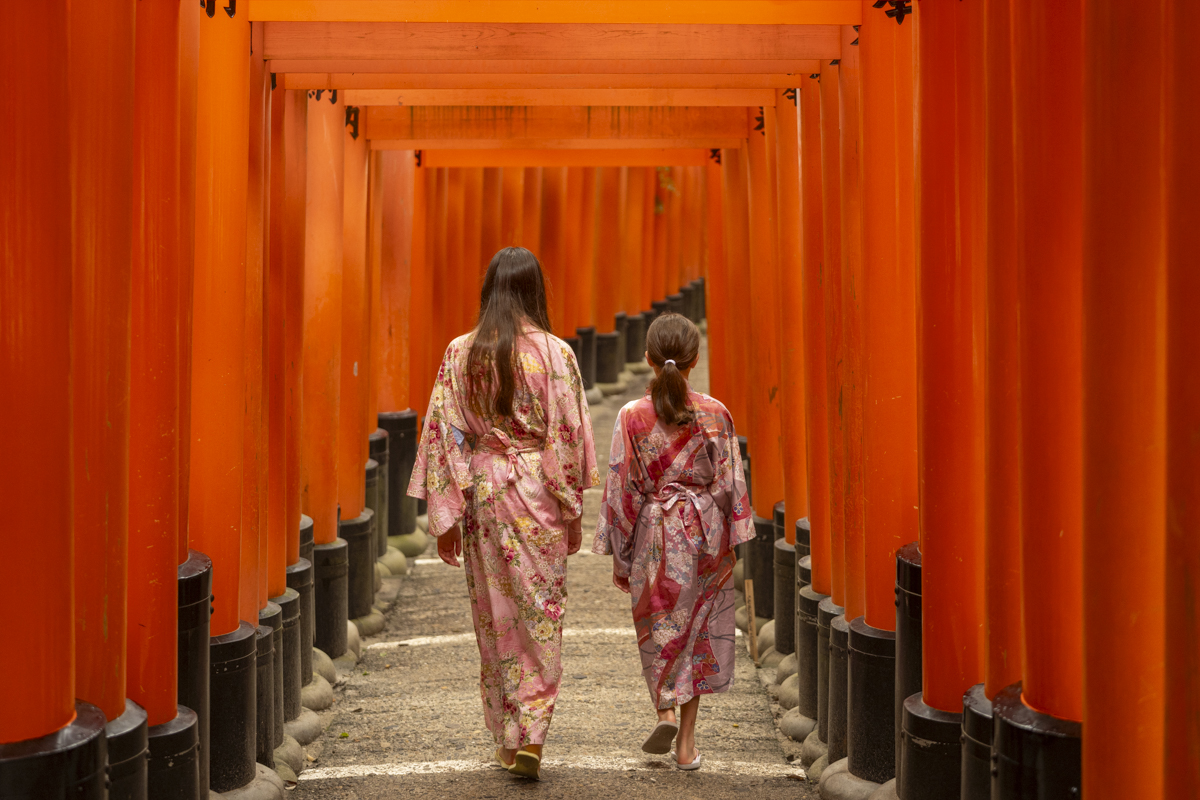
6 Unique Destinations Worth Your Retirement Travel Time
You spent years saying you’d get there eventually. This is your window.
These aren’t fast trips. They’re places that hold up when you give them time—where staying longer improves the experience instead of just adding more stops.
Kyoto, Japan: Craft, Routine, and Slowing Down
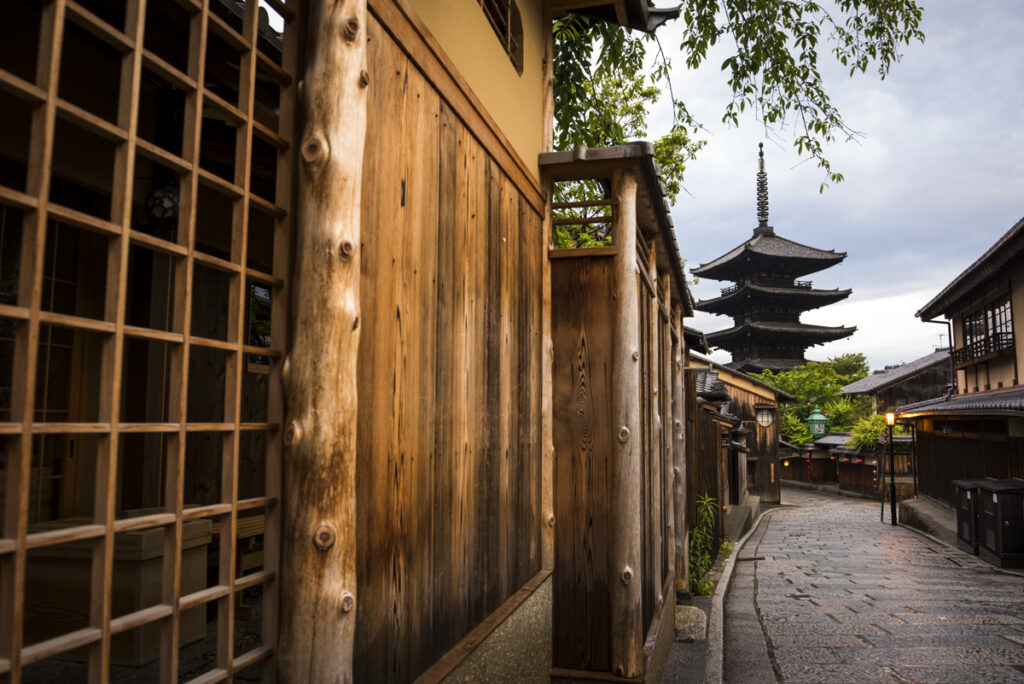
Kyoto stands out for how much care goes into ordinary things—food, service, public spaces, daily routines. Being Japan’s cultural capital, it shows up everywhere once you start paying attention.
What makes it worth your time:

Plan to stay a while and move through it slowly—temples, gardens, neighborhoods. Arashiyama is best early in the day before it fills up.
Koya-san is worth building into the trip. An overnight stay in a monastery changes the pace completely—structured meals, quiet mornings, and time away from the constant movement of cities.
Temple exploration isn’t about checking off the major sites. It’s about walking into smaller ones, sitting for a bit, and moving on when you’re ready.
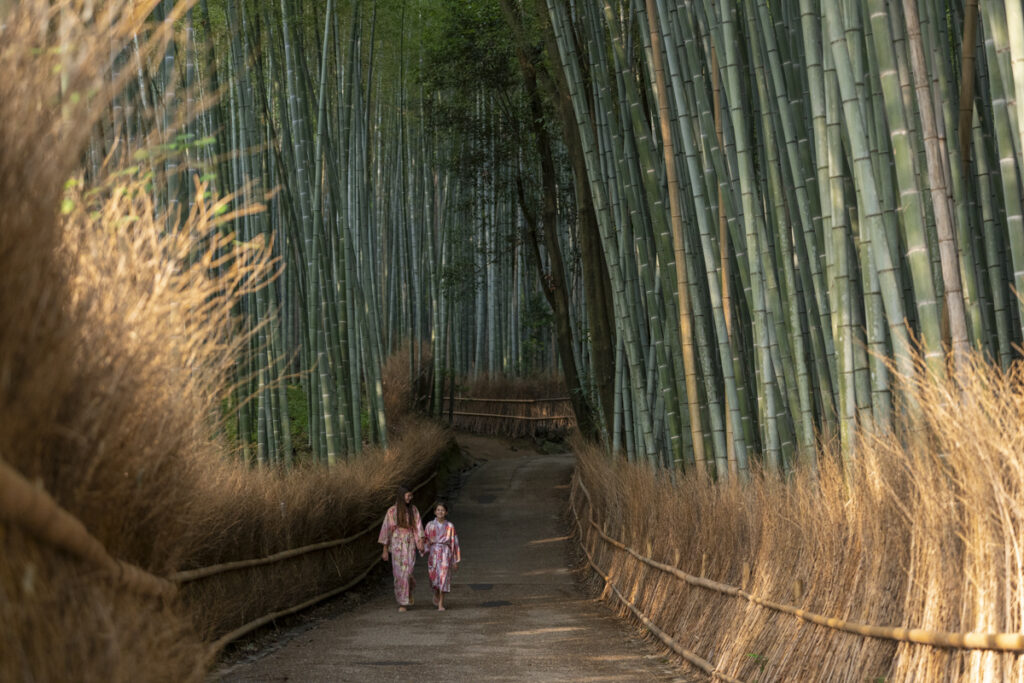
When to go: Spring (March–May) or (Late September to November). Summers can be brutally hot and humid often pushing the high 30s into 40 degrees Celsius.
Malta: Small Distances, Easy Rhythm
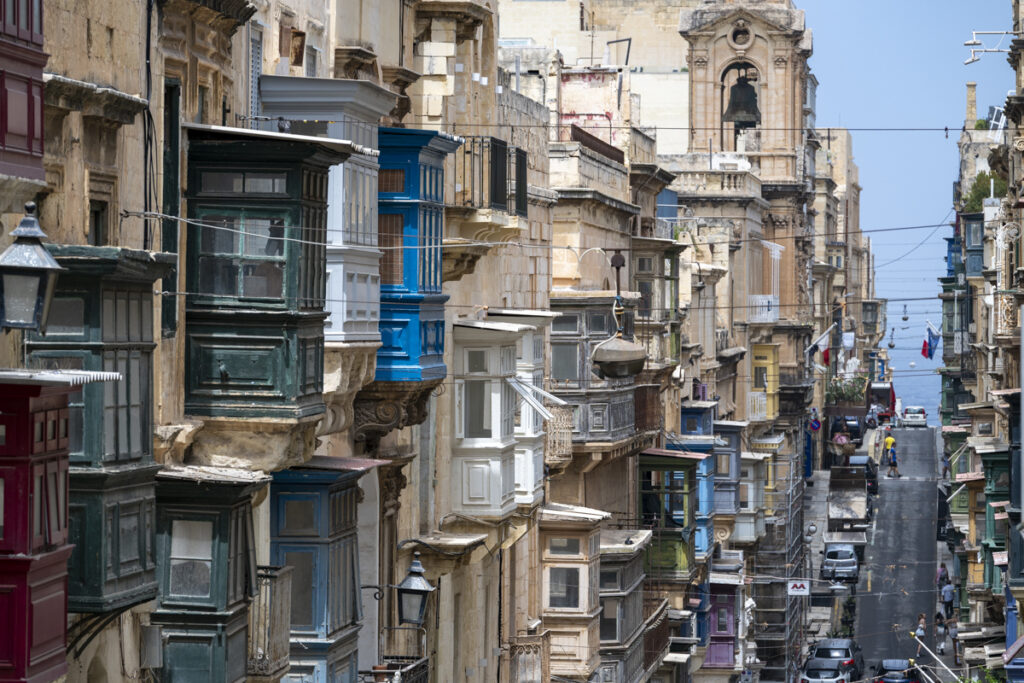
Malta is a layered series of three small islands—an unusual amount of history, coastline, and distinct towns packed into a very small space.
What makes it worth your time:
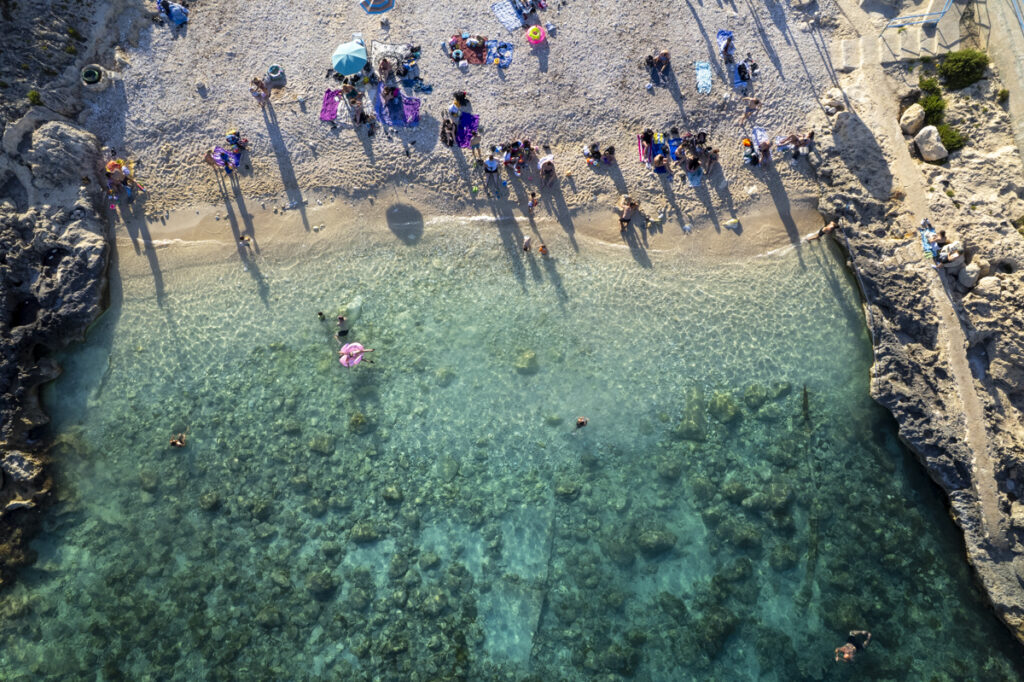
A rental car is key here—not for constant driving, but for flexibility. Most of the island is within a 20 ride, which makes it easy to move between completely different settings without overplanning.
Start with a few days in Valletta without a car. It’s compact and best explored on foot—harbour views, narrow streets, and enough detail to keep you circling back at different times of day.
From there, pick up a car and shift your base.
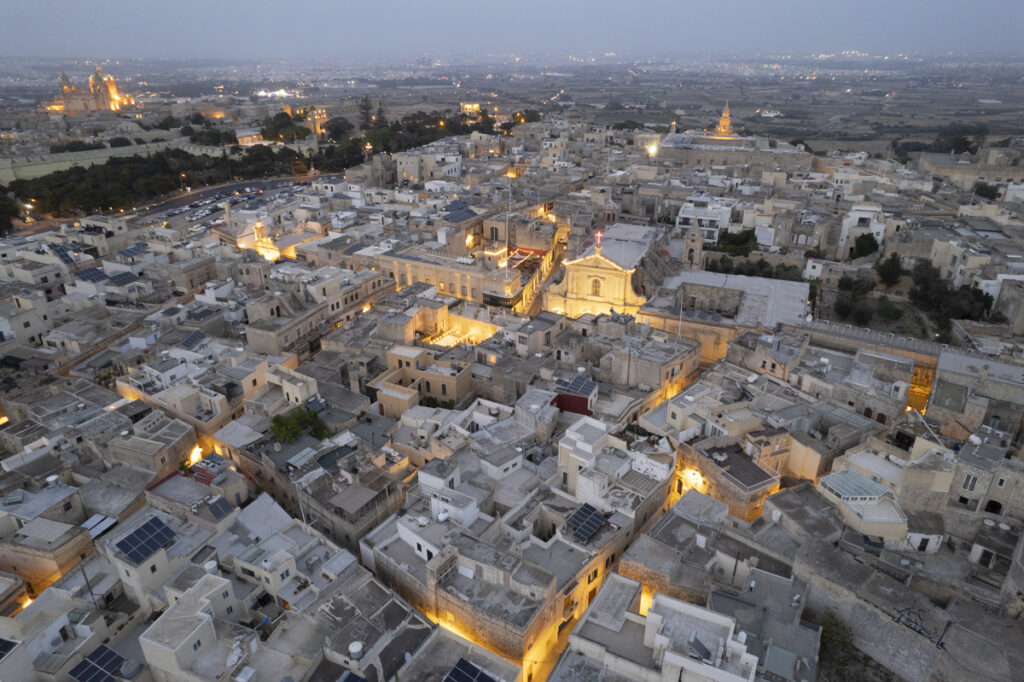
Mdina and Rabat offer a different pace—quieter, more contained, and better suited to a few nights rather than a quick stop. Evenings here are noticeably calmer once day visitors leave.
Then move on to Gozo. It’s more open and less developed, with more space to move. Coastal walks are the main draw—steady trails, simple access to beaches, and less pressure to be anywhere specific.
Staying in each area makes a difference. You experience the mornings and evenings, not just the middle of the day when most people pass through.
Malta works best when you break it into sections—Valletta, Mdina/Rabat, and Gozo—rather than treating it as a single base. The distances are short enough that getting between them is easy, but each area has a different feel that’s worth time instead of a quick visit.
When to go: April–June or September–October.
Patagonia: El Chaltén and Torres del Paine
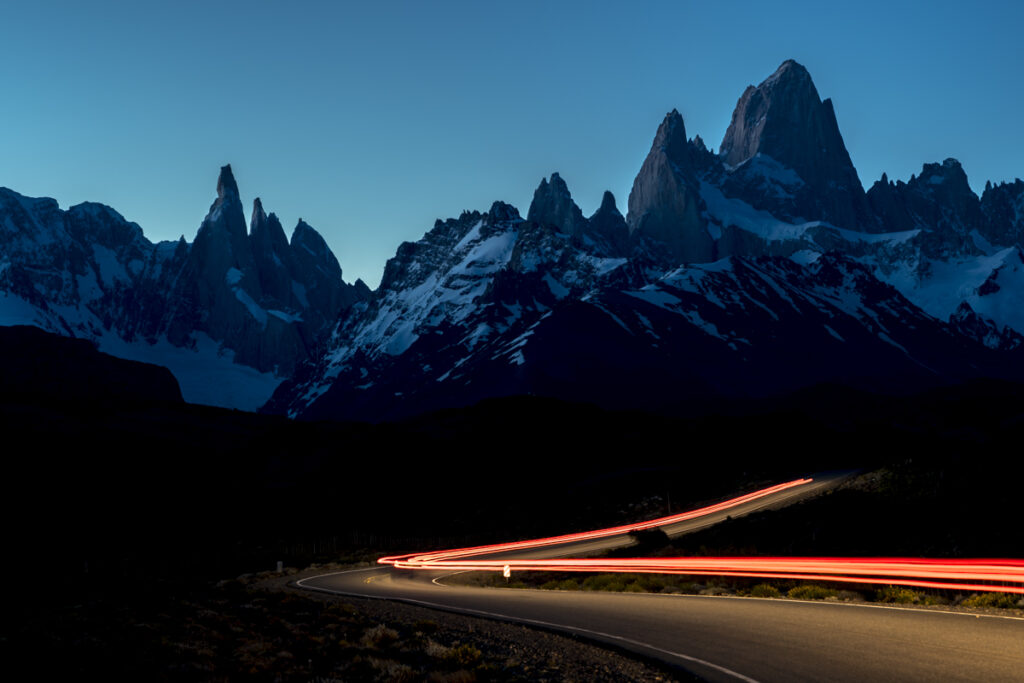
Patagonia works best when you narrow your focus. Distances are large, weather shifts quickly, and trying to cover too much usually means you spend more time moving than being in the landscape.
What makes it worth your time:
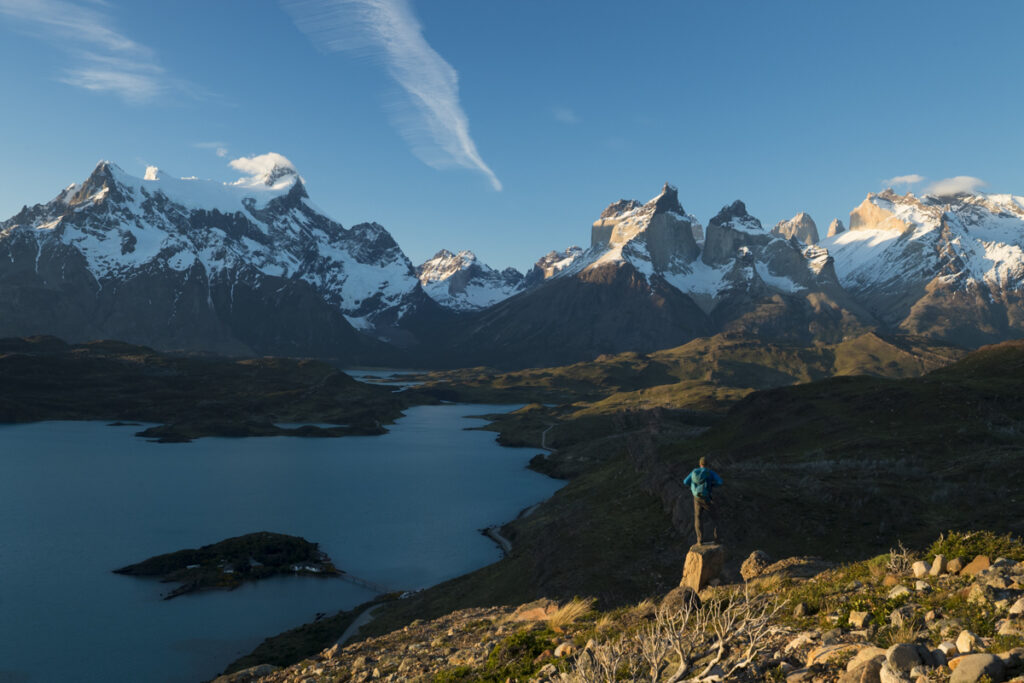
El Chaltén is one of the easier places to settle into. It’s a small town, built around access to trails rather than viewpoints you drive to. Most hikes start right from town, which simplifies things—no logistics, no long transfers.
You go out for the day, come back, and repeat. Fitz Roy and Cerro Torre dominate the skyline, but the experience isn’t just the headline views—it’s how often the light and weather change them. You can walk the same trail twice and get something completely different.
Torres del Paine is more spread out. Here, you base yourself inside the park through a variety of accommodations.
The scale is bigger—lakes, open valleys, and the towers themselves rising out of the landscape. You’re covering more ground than in El Chaltén, but it’s still about choosing a few hikes or drives rather than trying to do everything.
What stands out here is the variation. One day you’re dealing with wind and flat light, the next everything clears and the entire range opens. Being there long enough to catch those shifts is what makes the difference.
Splitting time between these two areas works well. El Chaltén for simplicity and daily access to trails, Torres del Paine for scale and variety.
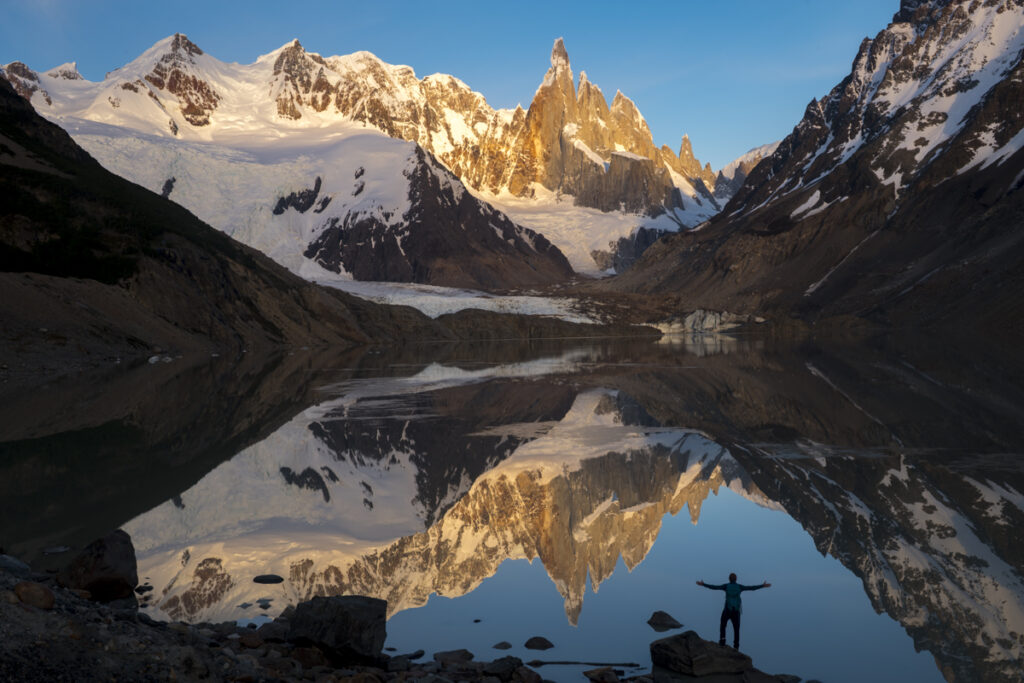
When to go: November–March.
Iceland: Focus on one Region
There’s pressure to cover the Ring Road. It’s not necessary unless you have the time to do it properly.
What makes it worth your time:
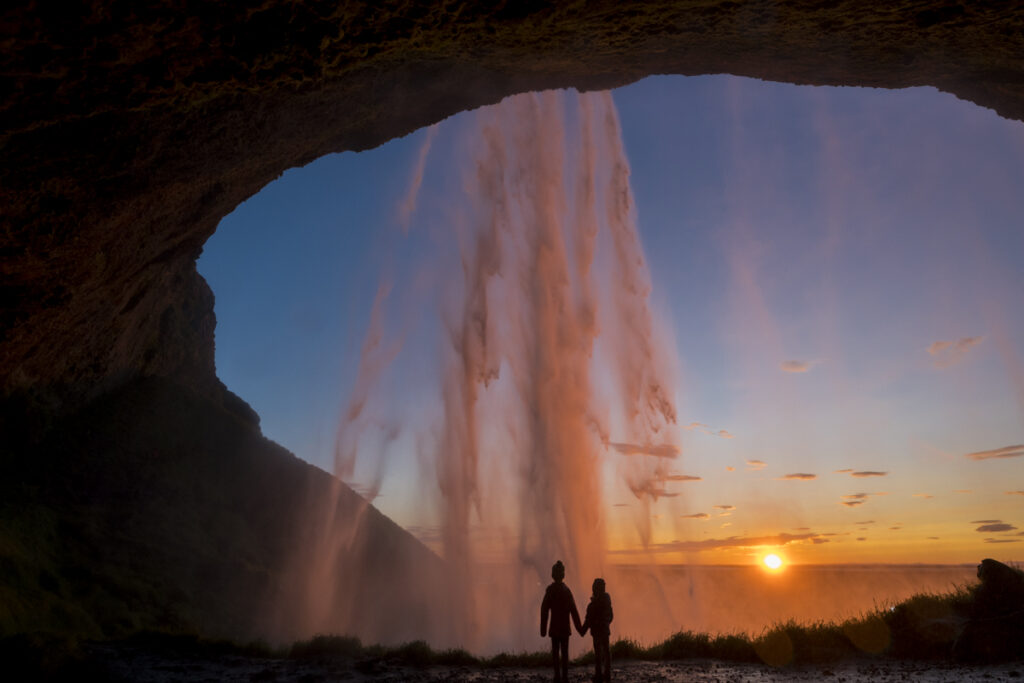
The south coast alone has enough depth to fill a trip—Vik, the black sand beaches, glacier views, and a concentration of waterfalls that are easy to access but still worth spending time at.
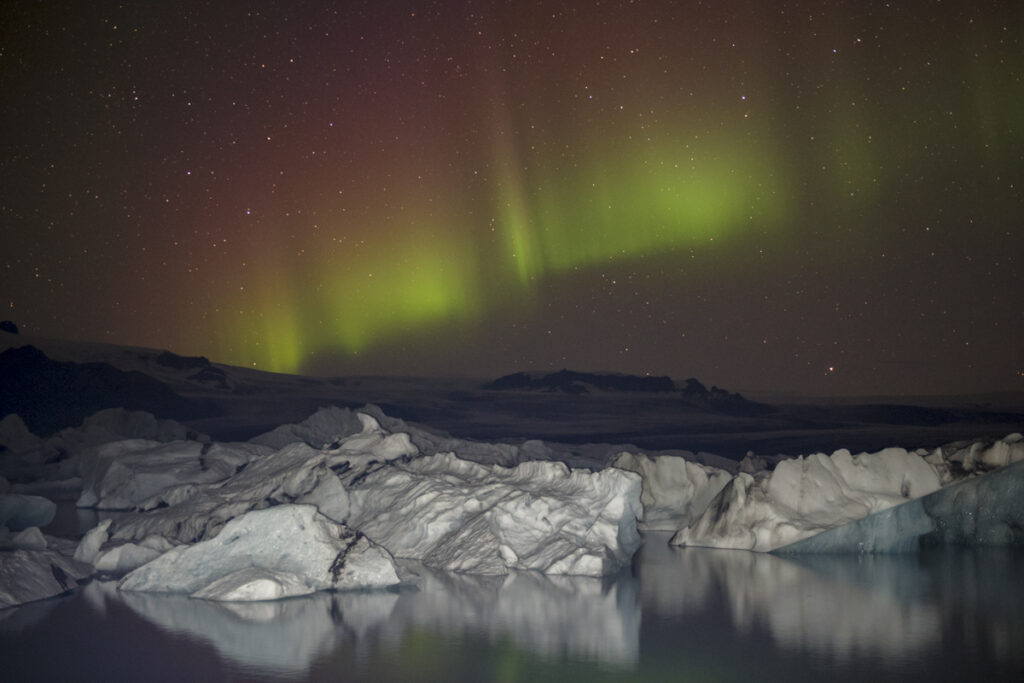
Glacier Lagoon and Diamond Beach are places to sit for a while, not pass through. Ice moves constantly—what you see changes even over an hour.
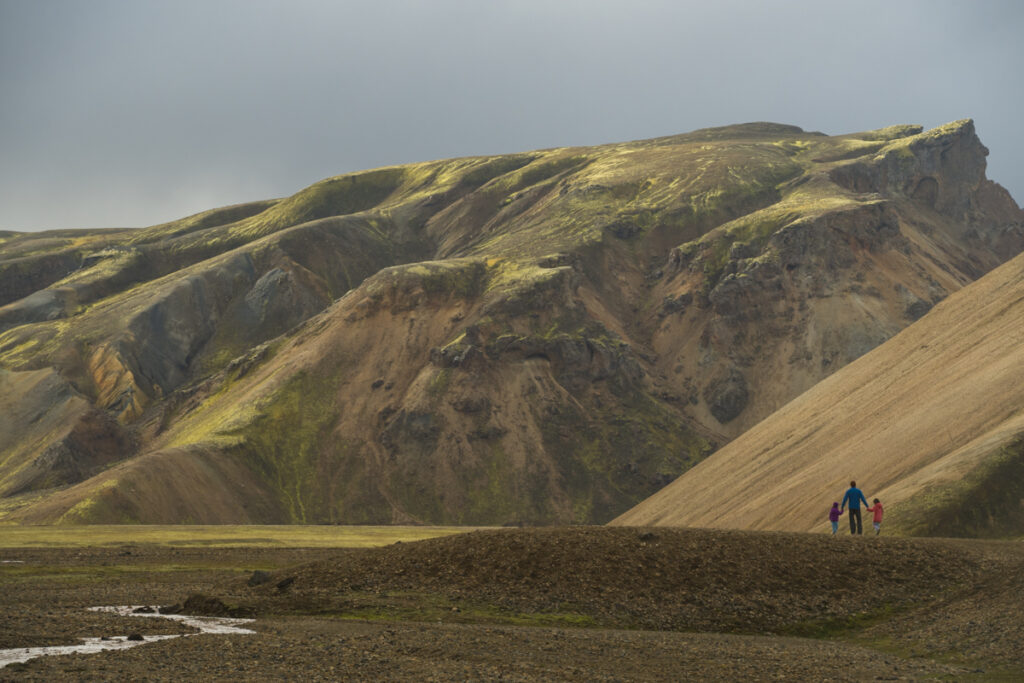
Landmannalaugar adds something completely different—interior landscapes, hiking routes, and geothermal areas where you can stop and stay longer.
Hot springs are part of the experience, whether developed or more basic roadside options.
The common mistake here is moving too much. Limiting distance improves the trip.
When to go: June–September for access; shoulder seasons if you want fewer people.
Montenegro & Albania: Mountains and Europe’s other Riviera
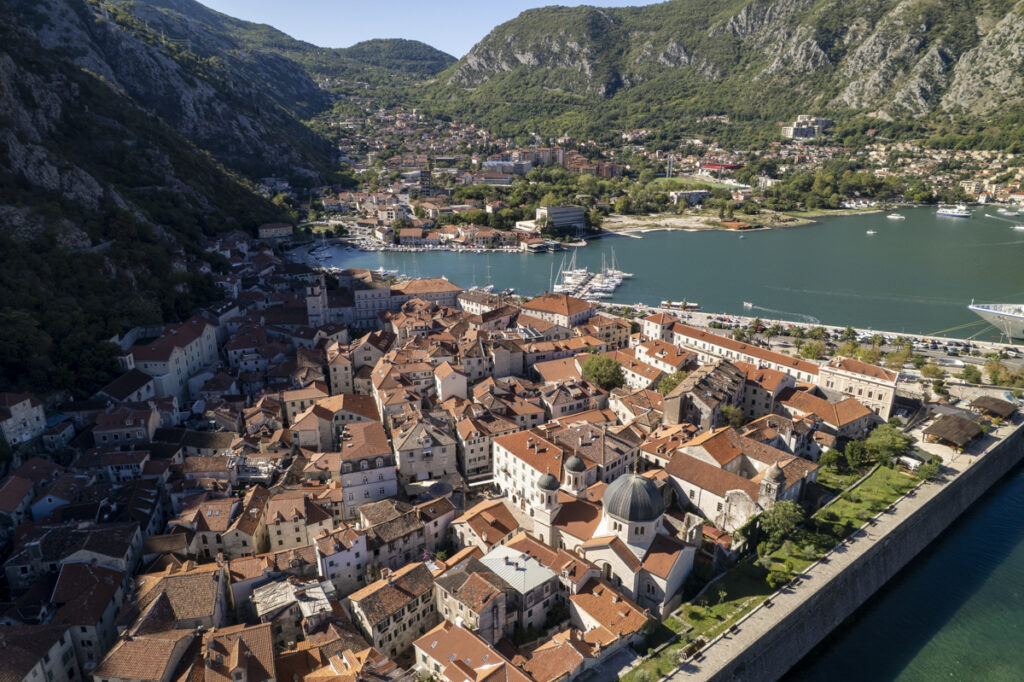
This region offers a mix of coastline, small towns, and inland history without the volume of tourism seen elsewhere in the Mediterranean.
What makes it worth your time:
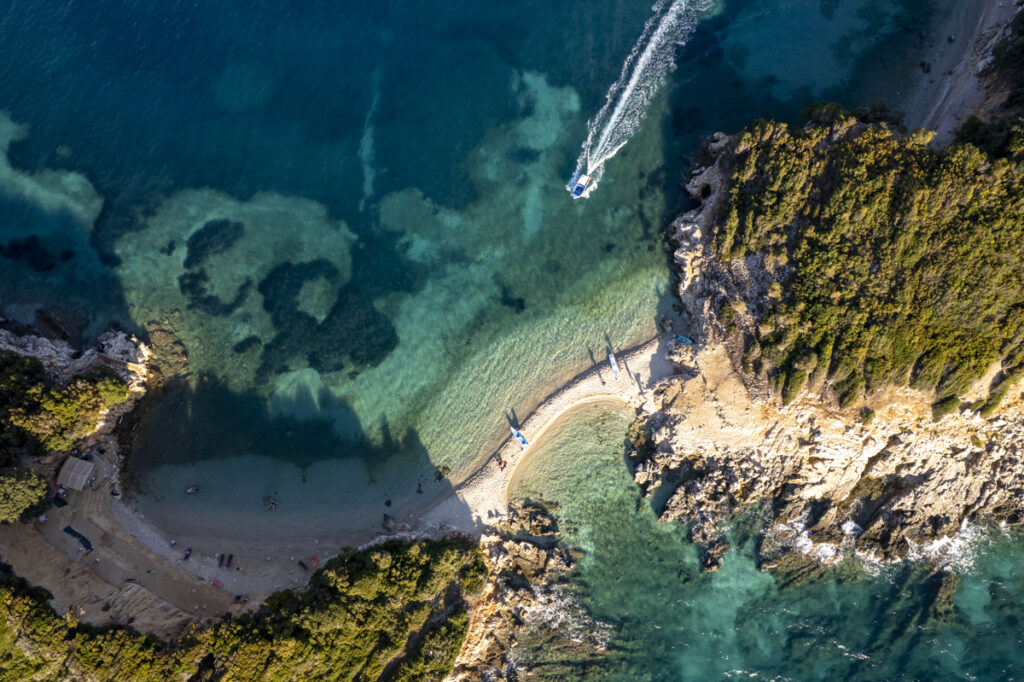
In Montenegro, focus on the Bay of Kotor. The setting is the main draw—mountains rising straight from the water. Wander the streets of quaint Kotor and experience the surrounding areas by boat.
Crossing into Albania shifts things. The coastline opens up—Dhërmi and Ksamil stand out for clear water and relatively undeveloped beaches.
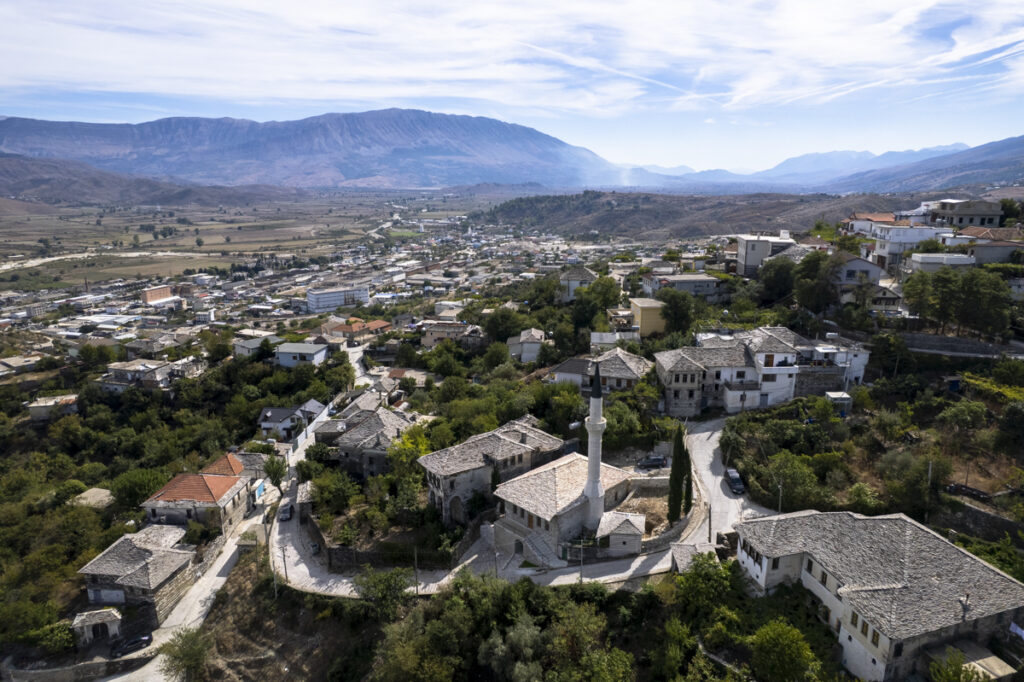
Further inland, Gjirokastër adds contrast—stone architecture, hillside layout, and fewer visitors than comparable towns elsewhere.
Logistically, this region connects easily. Corfu is close by ferry from Albania, which makes it a practical extension if you want to combine countries.
When to go: May–June or September–October.
Prague & Bohemian Switzerland: City + Landscape
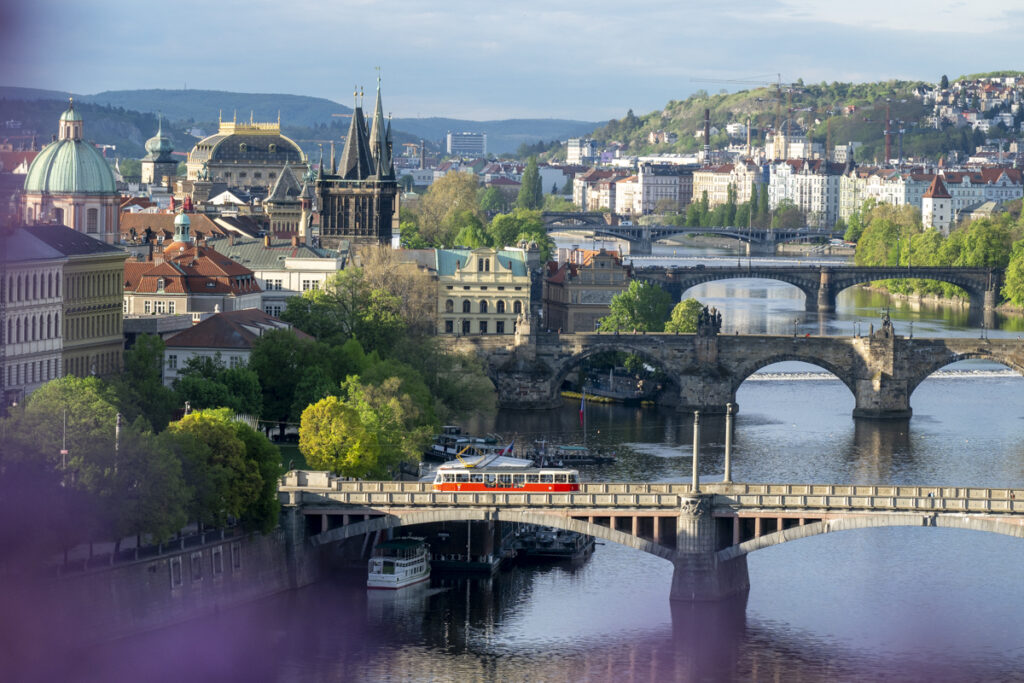
Prague is simply an architectural marvel and a daytrip to some Czech nature rounds out the trip well.
What makes it worth your time:
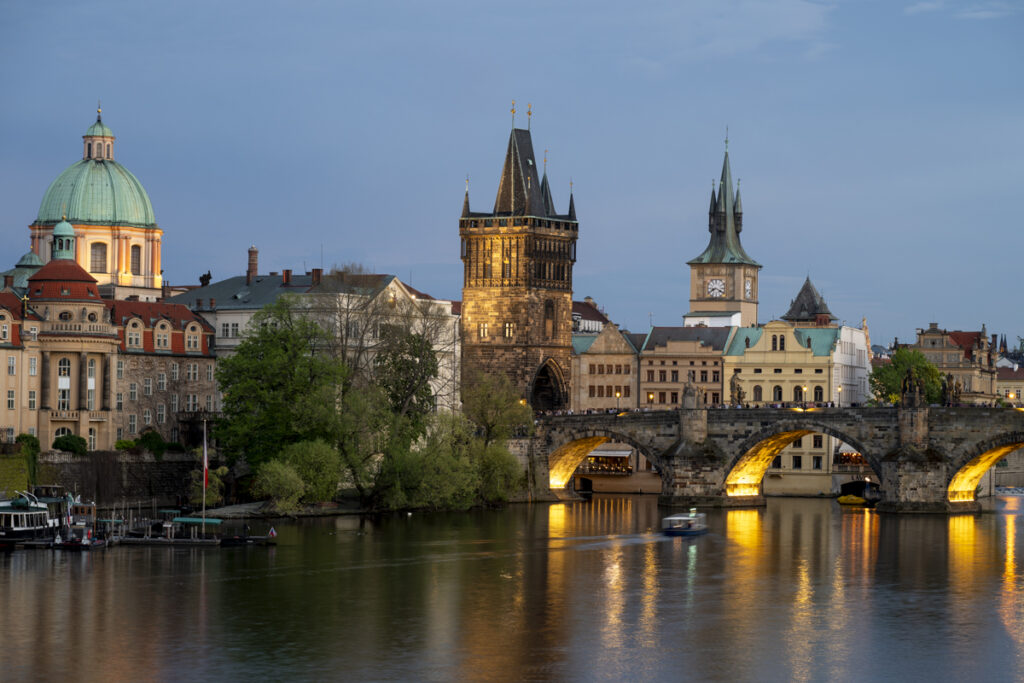
In Prague, early mornings and evenings change the experience. Walking before the crowds or after they leave makes a noticeable difference—especially around the Old Town and Charles Bridge.
The city itself rewards wandering more than structured sightseeing. Side streets, courtyards, and small details carry more of the experience than major landmarks.
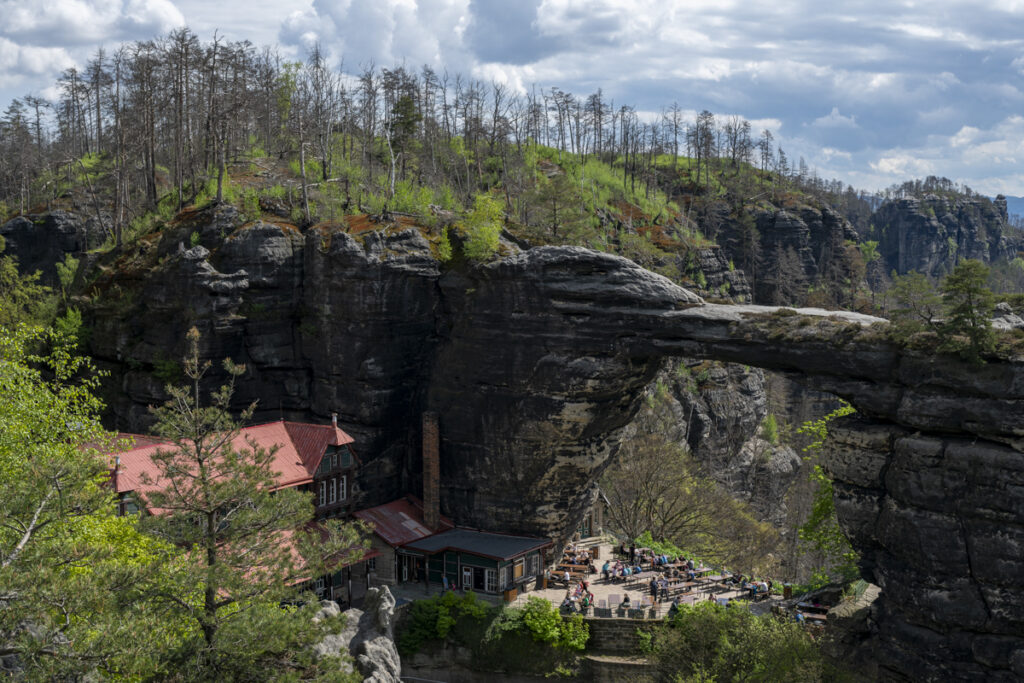
Bohemian Switzerland, a couple of hours away, adds space and contrast. Sandstone formations, forest trails, and fewer people. It’s straightforward to access but feels removed from the city.
Combining the two gives you both density and distance in the same trip.
When to go: April–June or September–October.
Final Thought
Good trips don’t come from perfect plans—they come from choosing a place that pulls at you and giving it time.
Stay longer than you think, move slower than you planned, and let the place meet you halfway.
All photography provided by Mike Crane Photography