There’s a better succession plan: Redefine retirement for both employees and organizations
Let’s talk about a $1 trillion problem that most organizations are pretending doesn’t exist.

According to Harvard Business Review, poor succession planning destroys close to $1 trillion annually among S&P 1500 companies alone. Read that again. One. Trillion. Dollars. And here’s the kicker: 79% of HR professionals admit they don’t even have a formal succession plan in place (*SHRM survey).
We’re watching the largest wealth transfer in human history unfold as Baby Boomers retire, and most companies aren’t treating it the strategic inflection point it is. The result? Organizations are hemorrhaging institutional knowledge, spending 50-200% of an employee’s annual salary to replace them(*Gallup), and watching decades of expertise walk out the door with a simple exit interview.
But here’s what keeps me up at night: it doesn’t have to be this way.
The Retirement Blind Spot

Companies often view retirement as a date on the calendar – something that happens TO the business rather than something that can be strategically managed FOR the business.
The stats tell the story:
- 68% of organizations believe at least half of their institutional knowledge will be lost forever in the next decade when senior executives retire (**CADDi Research)
- 53% of hiring managers cite difficulty capturing and passing on institutional knowledge from departing leaders (*Robert Half)
Think about those statistics for a moment. We’re not talking about a small information gap. We’re talking about organizations knowingly accepting that half of everything their senior leaders know, have built, and understand is at risk of walking out the door.
That’s not succession planning. That’s treating preventable knowledge loss as just part of doing business.
A Different Lens on Retirement

What if we stopped treating retirement as an ending and started treating it as a transition? What if, instead of watching our most experienced talent count down to their last day, we engaged them in building something that outlasts them?
This is where the MAP(P) Framework comes in.
I developed MAP(P) initially for individuals navigating their retirement transition – helping them design lives of continued purpose, connection, and meaning. But as I worked with more clients, I kept bumping into the same organizational challenge: companies wanted to support their retiring employees but had no structured way to do so that also protected their own interests.
The MAP(P) Framework for enterprise consulting bridges that gap. It transforms retirement from a liability into a strategic opportunity by addressing four critical pillars: Mentorship, Assessment, Preservation, and Planning.
Let me walk you through how each pillar creates value for both the retiring employee and the organization.
Mentorship: Building Legacies, Not Just Filling Positions

For the retiring employee: Senior talent doesn’t just want to pass off their Rolodex and wish everyone luck. They want their life’s work to mean something. They want to see the business they helped build continue to thrive. They want their successor to succeed.
For the organization: You’re not just replacing a body in an org chart. You’re transferring expertise, client relationships, and the kind of institutional wisdom that can’t be found in any operations manual.
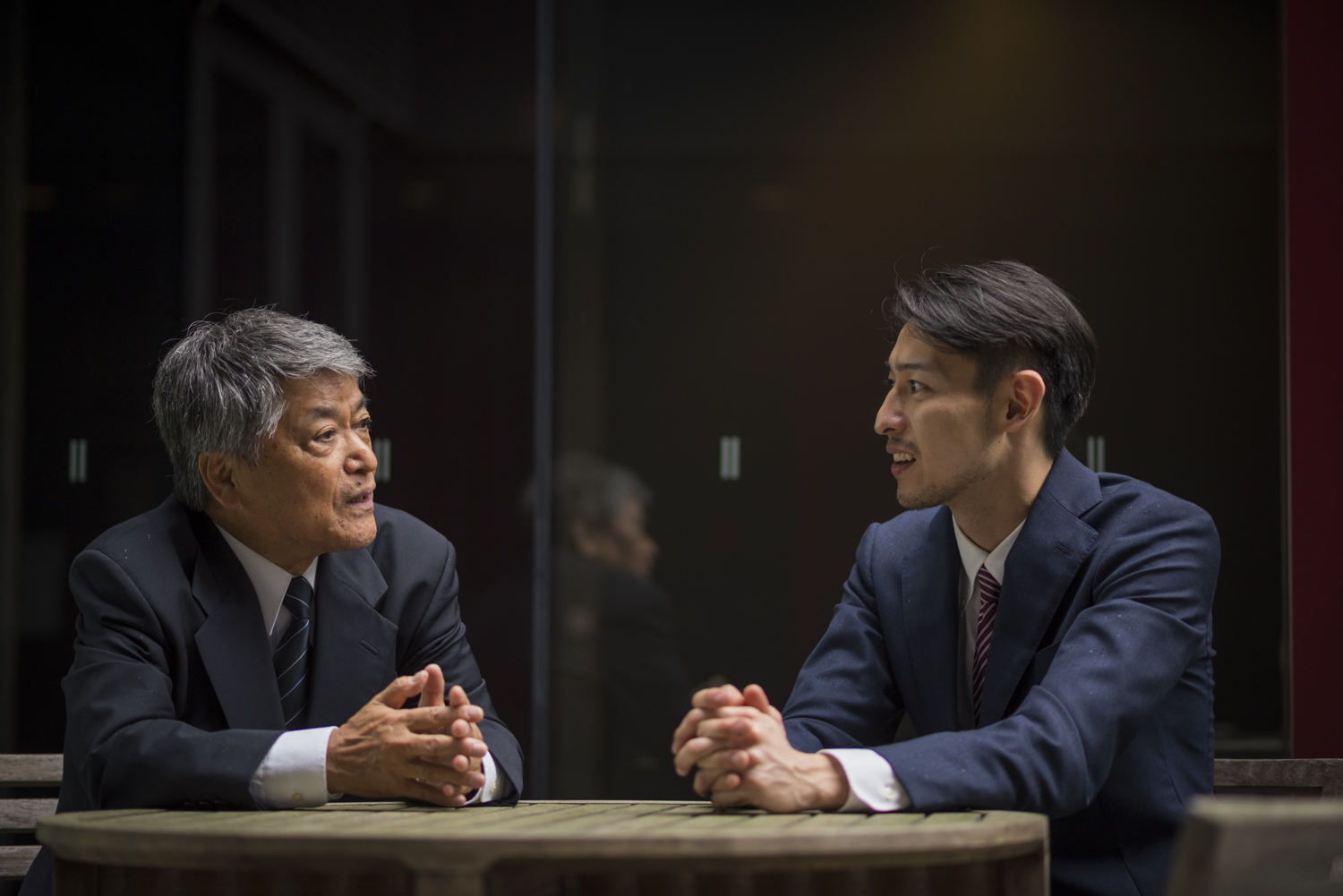
Our Mentorship pillar creates structured knowledge transfer programs that give retiring employees the fulfillment that comes from meaningful contribution while giving their successors the confidence that comes from guided transition. This isn’t a two-week hand-off. It’s a deliberate, phased process where both parties preserve institutional wisdom and revenue streams.
Think about your top salesperson who’s been with you for 25 years. They don’t just know who to call – they know which client had a daughter who graduated from Yale, who prefers morning meetings, who needs detailed proposals versus high-level pitches. That relationship intelligence walks out the door in traditional retirement scenarios. In our framework, it becomes a transferable asset.
Assessment: From Liabilities to Strategic Assets
Here’s an uncomfortable truth: most organizations view their aging workforce as a problem to be managed rather than an asset to be leveraged. The Assessment pillar flips that script entirely.
For the retiring employee: Approaching retirement triggers anxiety, fear, and uncertainty. “Who will I be when I’m not the VP anymore?” “Will anyone remember my contributions?” “Am I being pushed out?” Our assessment process gives them clarity, support, and recognition. It honours their tenure while helping them see themselves as knowledge holders who are becoming strategic assets, not liabilities.
For the organization: You gain visibility into succession risks before they become succession crises. We provide data-driven diagnostics that map out who’s retiring when, what critical knowledge they hold, and what gaps exist in your succession pipeline. Leadership can then make informed decisions about talent retention, phased retirement options, and knowledge capture priorities.
This isn’t about creating dependency. It’s about creating optionality. When you know what you’re working with, you can be strategic rather than reactive.
Preservation: Capturing What Money Can’t Buy

CADDi Research found that 68% of organizations believe at least half of their institutional knowledge will be lost in the next decade. The Preservation pillar addresses this head-on.
For the retiring employee: They get to document their life’s work and see their impact live on. After dedicating decades to building something, there’s profound meaning in knowing it won’t just evaporate. We help them create legacy documents, process guides, decision-making frameworks, and client histories that outlast their tenure.
For the organization: You capture irreplaceable expertise before it walks out the door. This isn’t about creating boring documentation that sits on a SharePoint nobody visits. It’s about turning tacit knowledge into transferable assets – the kind of insight that prevents the $50,000 mistake because someone remembered “we tried that in 2008 and here’s why it didn’t work.”
We turn departures into legacy-building opportunities that benefit both parties. The retiring executive gets to cement their contribution. The organization builds institutional memory that compounds rather than evaporates.
Planning: From Anxiety to Empowerment

The Planning pillar recognizes that one-size-fits-all retirement dates are arbitrary and often counterproductive.
For the retiring employee: Structured transitions give them agency and dignity in their departure. Instead of feeling pushed out at 65, they become active architects of their transition. Phased retirement options let them gradually reduce hours, shift into advisory roles, or mentor successors on their own timeline. Anxiety transforms into empowerment.
For the organization: You gain predictability and continuity. No more “Oh no, Susan’s retiring in three weeks and we haven’t found her replacement yet.” Instead, you have phased retirement options that work for both talent retention and business needs. Some employees might stay on for specific projects. Others might transition to part-time consulting roles. The key is that YOU get to design the transition strategically rather than reactively.
This is where the ROI becomes crystal clear. Remember that Gallup stat about spending 50-200% of an employee’s salary on replacement costs? Most of those costs come from rush hiring, lost productivity during training, and knowledge gaps that create expensive mistakes. Structured transitions eliminate most of these costs while keeping your revenue-generating talent engaged longer.
The Path Forward

The MAP(P) Framework for enterprise consulting doesn’t just help organizations manage retirement – it helps them turn it into a competitive advantage. While your competitors are losing institutional knowledge and spending six figures replacing each retiring executive, you’re building legacy programs that strengthen your organization’s capabilities with every transition.
This isn’t theoretical. Robert Half found that 53% of hiring managers struggle to capture and pass on institutional knowledge. You can be in the other 47% that gets it right. More than that, you can be among the forward-thinking organizations that recognize senior talent as the strategic assets they are.
The question isn’t whether your organization will face a wave of retirements in the coming years – you will. The question is whether you’ll approach it reactively or strategically. Whether you’ll watch expertise walk out the door or capture it before it does. Whether you’ll spend 200% of salaries replacing people or invest a fraction of that in helping them build legacies that outlast them.
There’s a smoother way to handle retirement – one that honours the contributions of your senior talent while protecting the continuity of your business. One that transforms anxiety into empowerment for retiring employees and risk into revenue for the organizations they’re leaving behind.
That’s what the MAP(P) Framework delivers. And in a business environment where $1 trillion gets destroyed annually by poor succession planning, getting this right isn’t just good HR – it’s essential strategy.
Ready to transform how your organization approaches retirement? Let’s talk about building a succession strategy that preserves institutional wisdom while protecting business continuity. Contact Your Best Years Ahead to learn more about MAP(P) Framework enterprise consulting.